

Ever spent hours wrestling with solar panels? You know, that frustrating feeling when you’re not sure if they’re *really* facing the sun correctly?
It’s enough to make you want to give up. But what if I told you there’s a simple way to get it right every time? Imagine your solar panels working their absolute best. That means more power for your home.
It means lower electricity bills. It means peace of mind. We’ve found some amazing tools and guides that make this so much easier. They take the guesswork out of solar panel orientation. Ready to unlock your panels’ full potential? Keep reading to discover the best solutions we’ve tested.
5 Best Orientation For Solar Panels: Maximize Your Sun Power Today!




Solar Angle Guide Meter

The Solar Angle Guide Meter by goodstumbler is an indispensable tool for anyone looking to maximize their solar energy capture. This portable sun angle finder and tracker tool is ideal for solar panel installers, DIY solar enthusiasts, homeowners looking to optimize their existing solar setups, and even surveyors or construction professionals who need to accurately determine solar exposure. If you’re serious about achieving the most efficient angle for your solar panels, whether for residential, commercial, or recreational purposes, this device is designed for you.
Pros:
- Precise Adjustment: Enables highly accurate alignment of solar panels for optimal energy generation.
- Accurate Measurement: Provides reliable solar angle measurement, ensuring you capture the maximum amount of sunlight throughout the day and year.
- Portability: Its portable design makes it easy to carry and use on various job sites or locations.
- User-Friendly: Designed for straightforward operation, even for those without extensive technical experience.
- Durable Construction: Built to withstand outdoor conditions, ensuring longevity and reliability.
Cons:
- May require a basic understanding of solar angles and positioning for full benefit.
- Not a fully automated tracking system; requires manual adjustment.
The goodstumbler Solar Angle Guide Meter distinguishes itself through its commitment to precise adjustment and accurate solar angle measurement. This tool empowers users to move beyond guesswork, providing a quantifiable way to determine the perfect tilt and orientation for their solar arrays. By utilizing this sun angle finder and tracker tool, you can ensure your solar panels are positioned to receive the most direct sunlight possible, significantly boosting their energy output and overall efficiency. This level of precision is crucial for both new installations and for optimizing older systems that may not be performing at their peak.
Beyond its core measurement capabilities, the portability of this solar angle guide meter makes it an incredibly practical asset. Whether you’re working on a rooftop, in a remote location, or simply need to re-evaluate your current solar panel angles, this sun angle finder is easy to transport and deploy. The benefits for users are clear: reduced installation time, improved long-term energy generation, and the confidence that comes from using a tool specifically designed for accurate solar angle measurement. It’s a valuable investment for anyone seeking to harness the full potential of solar power.
To buy this product, click here.
The Diy Off Grid Solar Power Bible

The DIY Off Grid Solar Power Bible by Jackson Mitchell is an indispensable resource for anyone dreaming of energy independence outside the traditional power grid. This comprehensive 10-in-1 guide is specifically designed for individuals looking to implement solar energy systems in tiny homes, cabins, RVs, and boats. Whether you’re a seasoned DIY enthusiast or a complete beginner eager to harness the sun’s power, this book provides the foundational knowledge and practical steps needed to successfully design, install, and maintain your own off-grid solar setup.
Pros:
- Comprehensive 10-in-1 guide covering all aspects of off-grid solar power.
- Up-to-date information for the most relevant and effective solar energy system designs.
- Step-by-step instructions making it accessible for DIY beginners.
- Focus on tiny homes, cabins, RVs, and boats, catering to niche markets seeking energy independence.
- Empowers users to design, install, and maintain their own systems, saving money and gaining valuable skills.
Cons:
- The sheer volume of information might be overwhelming for absolute beginners without any prior technical knowledge.
- Requires dedication and effort to implement the designs and installations, not a passive read.
- Cost of solar components will still be a significant investment, even with DIY installation.
Jackson Mitchell’s DIY Off Grid Solar Power Bible stands out for its holistic approach to solar energy. It doesn’t just tell you what panels to buy; it guides you through the entire process of designing a system tailored to your specific needs. This includes understanding your energy consumption, calculating the ideal solar array size, and selecting the right inverters, batteries, and charge controllers. The benefit here is immense: users can avoid costly mistakes, ensure their system is efficient and reliable, and ultimately achieve true energy self-sufficiency for their mobile or compact living spaces.
Furthermore, the installation and maintenance sections are crucial for long-term success. The guide breaks down complex electrical connections and mounting procedures into manageable steps, demystifying the technical jargon often associated with solar power. By providing clear instructions on troubleshooting common issues and performing regular maintenance, the book empowers users to keep their systems running optimally for years to come. This hands-on knowledge not only saves money on professional services but also fosters a sense of accomplishment and a deeper understanding of the sustainable technology powering their homes.
To buy this product, click here.
Solar Angle Guide For Solar Panel
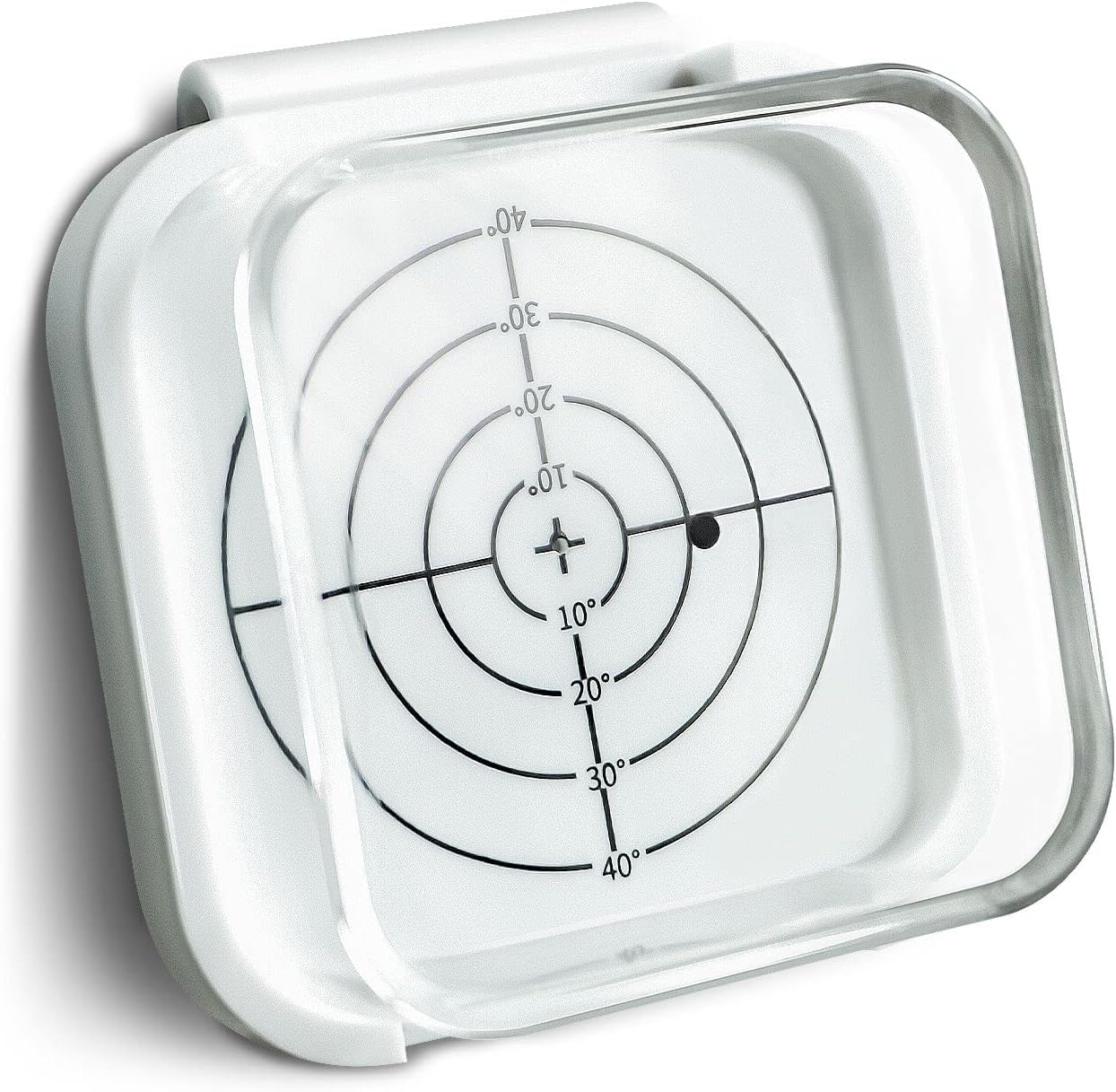
The KeoPuals Solar Angle Guide is an indispensable tool for anyone looking to maximize the energy output of their solar panels. This includes homeowners installing their first solar system, DIY solar enthusiasts, and even professional solar installers seeking a quick and accurate way to determine the optimal tilt angle for their panels. If you’re serious about harnessing the full potential of solar energy and want to ensure your investment is performing at its peak, this solar panel accessory is designed for you.
Pros:
- Easy to use: Provides a straightforward method for finding the optimal angle for your solar panels.
- Improves energy generation: Helps you achieve maximum efficiency from your solar array by ensuring it’s angled correctly towards the sun.
- Durable construction: Built to withstand outdoor conditions, ensuring long-term use.
- Portable and compact: Easy to carry to different locations or store when not in use.
- Cost-effective solution: A relatively inexpensive tool that can significantly boost your solar energy production.
Cons:
- May require some basic understanding of solar panel orientation.
- Not suitable for complex installations requiring specialized angle calculations.
The KeoPuals Solar Angle Guide simplifies the often-complex task of determining the ideal tilt angle for your solar panels. By providing a clear and direct way to measure and set the correct angle, this tool ensures your panels are consistently facing the sun’s most direct rays throughout the year. This direct sunlight exposure is crucial for maximizing electricity generation, leading to higher energy savings and a quicker return on your solar investment. Whether you’re in the northern or southern hemisphere, the guide helps you achieve the peak performance your solar system is capable of.
Beyond just finding the initial optimal angle, the KeoPuals Solar Angle Guide also empowers users to make seasonal adjustments. The sun’s position in the sky changes throughout the year, and fine-tuning your panel’s angle can lead to even greater energy yields. This solar panel accessory empowers you to take control of your solar energy production, making it a valuable asset for both amateur and professional solar users. Its user-friendly design means that even those new to solar technology can confidently use it to optimize their solar panel setup.
To buy this product, click here.
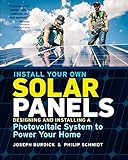
Install Your Own Solar Panels

If you’re a homeowner looking to take control of your energy costs, reduce your carbon footprint, and become more energy independent, then “Install Your Own Solar Panels: Designing and Installing a Photovoltaic System to Power Your Home” by Joseph Burdick and Philip Schmidt is likely the perfect guide for you. This book is ideal for DIY enthusiasts, budget-conscious individuals, and anyone with a practical mindset who is eager to understand the intricacies of solar energy systems and is willing to invest their time and effort in a hands-on project. It’s for those who want to move beyond simply purchasing solar panels and instead want to truly understand the technology and manage the installation process themselves, potentially saving significant money on labor costs.
Pros:
- Provides comprehensive knowledge for a DIY solar installation.
- Empowers users to design and build their own photovoltaic system.
- Offers potential for significant cost savings by eliminating professional installation fees.
- Fosters a deeper understanding of renewable energy technologies.
- Promotes energy independence and environmental responsibility.
Cons:
- Requires a significant time commitment and dedication to learning and execution.
- May necessitate the purchase of specialized tools and equipment.
- Can be technically challenging for individuals with limited practical or electrical experience.
- Installation of solar panels involves safety risks if not approached with proper caution and knowledge.
- May not cover all local building codes or permitting requirements, necessitating additional research.
This comprehensive guide delves into the crucial aspects of photovoltaic system design, walking you through the essential steps to plan your solar energy setup. From assessing your home’s energy needs and understanding solar panel efficiency to calculating the optimal system size and selecting the right components like inverters and mounting hardware, the book equips you with the foundational knowledge required. The benefit here is clear: instead of relying on a salesperson’s recommendations, you gain the expertise to make informed decisions tailored specifically to your property and energy consumption, ensuring you invest in a system that will perform optimally and meet your expectations.
Furthermore, “Install Your Own Solar Panels” doesn’t shy away from the practicalities of the installation process itself. It provides detailed, step-by-step instructions on how to safely and effectively mount your solar panels, connect the wiring, and integrate the system with your home’s electrical infrastructure. The advantages of this detailed approach are twofold: it enhances safety by outlining best practices and potential pitfalls, and it boosts your confidence in tackling a complex project. By demystifying the installation, the book empowers you to take a truly hands-on role, leading to a sense of accomplishment and the satisfaction of knowing you’ve powered your home with sustainable energy that you personally brought to life.
To buy this product, click here.
Utoolmart Solar Angle Guide

The Utoolmart Solar Angle Guide Solar Tracker is an essential accessory for anyone looking to maximize the efficiency of their solar panel installations. This device is ideal for homeowners with existing or planned solar systems, DIY solar enthusiasts, and small-scale solar farm operators who want to ensure their panels are always positioned for optimal sunlight absorption. If you’re invested in renewable energy and want to get the most out of your solar investment, this solar tracker is designed for you.
Pros:
- Accurate solar tracking for increased energy generation.
- Durable construction designed to withstand outdoor elements.
- Easy to install and integrate with existing solar panel mounts.
- Cost-effective solution to boost solar panel performance.
- Reduces manual adjustments, saving time and effort.
Cons:
- May require a basic understanding of solar panel alignment.
- Not suitable for extremely large commercial solar arrays without additional components.
- Relies on sunlight availability to function effectively.
The Utoolmart Solar Angle Guide is engineered with a sophisticated mechanism that automatically adjusts the angle of your solar panels throughout the day. By continuously seeking the most direct sunlight, this solar tracker ensures your panels are always capturing the maximum amount of solar energy possible. This translates directly into a higher energy output, meaning you can generate more electricity from your solar system, potentially reducing your reliance on the grid and lowering your electricity bills even further. The precision of the tracking is a key benefit, especially in regions with variable sunlight throughout the day.
Beyond just increasing energy generation, the Utoolmart Solar Angle Guide offers significant long-term benefits for users. Its robust design, manufactured by Utoolmart, ensures longevity and reliability even in challenging weather conditions. This means less worry about maintenance and more consistent performance year after year. For those who have invested in solar power, this accessory is a smart upgrade that enhances the overall value and efficiency of their system. It’s a practical and effective way to optimize your renewable energy investment and contribute more effectively to a sustainable future.
To buy this product, click here.
Solar Angle Guide For Portable Solar Panels

The Togo POWER Solar Angle Guide for Portable Solar Panels is an essential tool for anyone looking to maximize the energy output of their portable solar setup. This includes campers, RV owners, van lifers, off-grid enthusiasts, and emergency preparedness individuals who rely on solar power when away from traditional electrical sources. If you’ve ever struggled to find the optimal angle for your solar panels to catch the most sunlight, or if you simply want to ensure you’re getting the best possible performance from your investment, this solar panel tilt finder tool is designed for you.
Pros:
- Easy to use for quick and accurate solar panel angle adjustments.
- Helps maximize solar energy absorption for more efficient charging.
- Portable and lightweight, making it ideal for travel and outdoor use.
- Durable construction ensures longevity in various weather conditions.
- Compatible with most portable solar panel systems.
Cons:
- May be considered an additional item for those with very basic needs.
- Accuracy can be slightly affected by extreme atmospheric conditions (though generally reliable).
The primary function of the Togo POWER Solar Angle Guide is to simplify the process of optimizing your solar panel’s position relative to the sun. Instead of guessing or relying on cumbersome methods, this tool provides a clear and straightforward way to determine the ideal tilt angle. This translates directly into more efficient power generation, meaning your batteries will charge faster and you’ll have a more consistent and reliable power supply, especially crucial during extended trips or in situations where power is critical.
Beyond its core function, the benefits of using this solar panel tilt finder tool extend to extending the lifespan and performance of your solar equipment. By ensuring your panels are always angled correctly, you reduce unnecessary strain and wear that can occur from suboptimal positioning. This Togo POWER accessory is a small investment that can lead to significant improvements in your portable solar power system’s overall efficiency and effectiveness, making it a valuable addition for any serious user.
To buy this product, click here.
Solar Panel Installation: A Homeowner’s Guide To Residential Solar

The Solar Panel Installation: A Homeowner’s Guide to Residential Solar (2026 Edition) by Alex Fleet is an essential resource for any homeowner considering making the switch to solar energy. If you’re looking to reduce your electricity bills, increase your home’s energy independence, and contribute to a sustainable future, this guide is designed for you. It’s particularly beneficial for those who are new to solar technology and need a clear, comprehensive understanding of the entire solar installation process, from initial assessment to long-term maintenance.
Pros:
- Provides a step-by-step guide to understanding and navigating the complexities of solar panel installation.
- Covers key aspects such as choosing the right solar panels, understanding inverter technology, and navigating permitting and incentives.
- Helps homeowners make informed decisions to maximize their return on investment (ROI) and achieve long-term savings.
- Empowers readers with knowledge to effectively communicate with solar installers and avoid common pitfalls.
- Offers insights into battery storage solutions and the integration of solar power with existing home systems.
Cons:
- As a guide, it cannot replace professional site assessments or the expertise of certified solar installers.
- Information on local incentives and regulations may vary and require supplementary research for specific regions.
- The guide focuses on the installation process and may not delve deeply into advanced topics like grid-tied vs. off-grid system optimization.
This comprehensive guide demystifies the world of residential solar energy. Alex Fleet breaks down complex technical jargon into easily digestible information, covering everything from the initial energy audit of your home to understanding the various types of solar technology available. You’ll learn about the crucial factors that influence solar panel efficiency, such as panel orientation, shading, and local climate conditions. The book also thoroughly explains the financial aspects, including calculating potential energy savings, understanding solar financing options, and evaluating the environmental benefits of going solar.
Furthermore, the 2026 Edition ensures you are up-to-date with the latest advancements in solar technology and current government incentives and tax credits. It provides practical advice on selecting reputable solar installers, understanding warranty information, and what to expect during the installation timeline. By equipping homeowners with this knowledge, the guide aims to foster confidence and ensure a smooth transition to a cleaner, more cost-effective energy source, ultimately empowering you to take control of your household energy consumption.
To buy this product, click here.
Photovoltaic Design & Installation For Dummies

Are you a homeowner looking to significantly reduce your electricity bills and increase your home’s energy independence? Do you own a business aiming to embrace sustainable energy practices and potentially benefit from tax incentives? Or perhaps you’re an aspiring solar installer eager to gain the foundational knowledge needed to enter this rapidly growing industry? If you’re seeking a clear, accessible guide to understanding and implementing photovoltaic (PV) systems, then “Photovoltaic Design & Installation For Dummies” by Ryan Mayfield is precisely the resource you’ve been searching for. This book demystifies the complex world of solar energy, making it an ideal starting point for anyone ready to harness the power of the sun.
Pros:
- Comprehensive coverage of PV system design and installation processes.
- Breaks down complex technical information into easy-to-understand language.
- Provides practical advice for residential and commercial solar projects.
- Explains relevant regulations and safety procedures.
- Empowers readers to make informed decisions about solar energy adoption.
Cons:
- May not delve into highly advanced or specialized niche solar technologies.
- Specific local codes and incentives will vary and require further research.
- Assumes a basic level of comfort with technical concepts, though it strives for simplicity.
Ryan Mayfield’s “Photovoltaic Design & Installation For Dummies” excels at translating the intricate science and engineering behind solar power into actionable knowledge. The book meticulously guides you through the essential steps, from initial site assessment to the final system commissioning. You’ll learn about the different types of solar panels, inverters, and mounting systems, understanding how each component contributes to the overall efficiency and performance of your photovoltaic system. This detailed breakdown ensures that users are not just passively absorbing information but are actively building a solid understanding of what makes a solar installation successful and reliable.
Beyond the technical specifications, the true benefit of this guide lies in its ability to empower readers with confidence. By understanding the principles of solar energy generation, system sizing, and electrical connections, you can confidently discuss your project with solar contractors, evaluate quotes more effectively, and even consider a DIY installation (where appropriate and permitted). The emphasis on safety protocols is paramount, ensuring that anyone engaging with solar technology does so responsibly. This book serves as an invaluable tool for anyone looking to navigate the landscape of renewable energy and make a tangible investment in a sustainable future.
To buy this product, click here.
Frequently Asked Questions
What’s The Best Solar Panel Angle?
The ideal solar panel angle maximizes sunlight exposure. It generally matches your location’s latitude. Adjust seasonally for optimal energy production. This ensures your panels capture the most sun year-round.
How Do I Find My Solar Panel Angle?
Use a solar angle guide or meter. These tools help you measure the sun’s position. They ensure precise adjustment for peak performance. Your angle should be set for your specific location.
Can I Adjust My Solar Panel Angle?
Yes, adjusting your solar panel angle is beneficial. Seasonal adjustments can significantly boost energy output. This is especially true for off-grid systems. It helps capture more direct sunlight throughout the year.
What Tools Help Set Solar Panel Angles?
Tools like solar angle guides and sun finders are useful. They provide accurate measurements for precise adjustment. Some even act as trackers. These accessories are essential for DIY installations.
Why Is Solar Panel Orientation Important?
Proper solar panel orientation maximizes energy generation. It ensures panels face the sun most directly. This leads to higher efficiency and more power. It’s a crucial step for any solar setup.
How Does Latitude Affect Solar Panel Angle?
Your latitude is a key factor in determining the best angle. A common starting point is to set your panel’s tilt to your latitude. This provides a good average angle for year-round sun.
Conclusion
Finding the best angle for your solar panels matters. It helps you get the most power. Think of it like pointing a flashlight directly at a wall. The closer you are to straight on, the brighter the light. Your solar panels work the same way.
The right tilt angle captures more sunlight. This means more energy for your home. It also means saving more money. Tools like angle meters and sun finders make this easy. Even DIY guides can help you learn. They show you how to measure and set the perfect angle.
Don’t guess your solar panel’s position. Get it right for maximum efficiency. Your solar system will thank you.
